
Art and Experience: Connecting Through Meaningful Content
- Rich Araujo
- Jan 22
- 4 min read

Art has a unique ability to evoke emotions, provoke thoughts, and foster connections among individuals. In a world increasingly driven by technology and rapid communication, the importance of meaningful content in art cannot be overstated. This blog post explores how art and experience intertwine, creating pathways for deeper connections and understanding.
The Power of Art in Communication
Art serves as a universal language that transcends barriers. Whether through paintings, sculptures, or performances, art communicates ideas and emotions that words often cannot express. This ability to convey complex feelings makes art a powerful tool for connection.
Emotional Resonance
Art has the power to resonate emotionally with viewers. For instance, consider the impact of a poignant painting that captures the essence of human struggle. Viewers may find themselves reflecting on their own experiences, creating a personal connection with the artwork. This emotional resonance fosters empathy and understanding among diverse audiences.
Cultural Reflection
Art also reflects cultural identities and histories. Through various forms of expression, artists can share their backgrounds, traditions, and values. This sharing allows others to gain insights into different cultures, promoting appreciation and respect. For example, indigenous art often tells stories of heritage and connection to the land, inviting viewers to engage with these narratives.
Creating Meaningful Experiences
To fully appreciate art, one must engage with it on a deeper level. Meaningful experiences in art can be cultivated through various approaches.
Interactive Installations
Interactive art installations invite viewers to participate actively. These experiences can transform passive observation into active engagement. For instance, an installation that requires audience participation can create a sense of community and shared experience. This interaction not only enhances the appreciation of the artwork but also fosters connections among participants.
Storytelling Through Art
Storytelling is a powerful method for creating meaningful experiences. Artists can weave narratives into their work, allowing viewers to connect with the story behind the art. For example, a series of photographs documenting a community's journey can evoke emotions and provoke discussions about shared experiences. This storytelling aspect encourages viewers to reflect on their own lives and connections to the themes presented.
The Role of Technology in Art
In today's digital age, technology plays a significant role in how we experience art. From virtual galleries to augmented reality installations, technology enhances accessibility and engagement.
Virtual Reality Experiences
Virtual reality (VR) offers immersive experiences that transport viewers into the world of the artwork. Imagine stepping into a painting and exploring its landscape. This level of engagement allows for a deeper understanding of the artist's vision and intent. VR can also democratize access to art, enabling individuals who may not have the opportunity to visit galleries to experience art in new ways.
Social Media and Art Sharing
Social media platforms have transformed how art is shared and experienced. Artists can showcase their work to a global audience, fostering connections with viewers from diverse backgrounds. This sharing can lead to meaningful conversations and collaborations, enriching the artistic community. However, it is essential to approach this sharing thoughtfully, ensuring that the focus remains on the art and its message.
Building Community Through Art
Art has the potential to bring people together, creating a sense of community and belonging. Community art projects, exhibitions, and workshops can foster connections among individuals.
Collaborative Art Projects
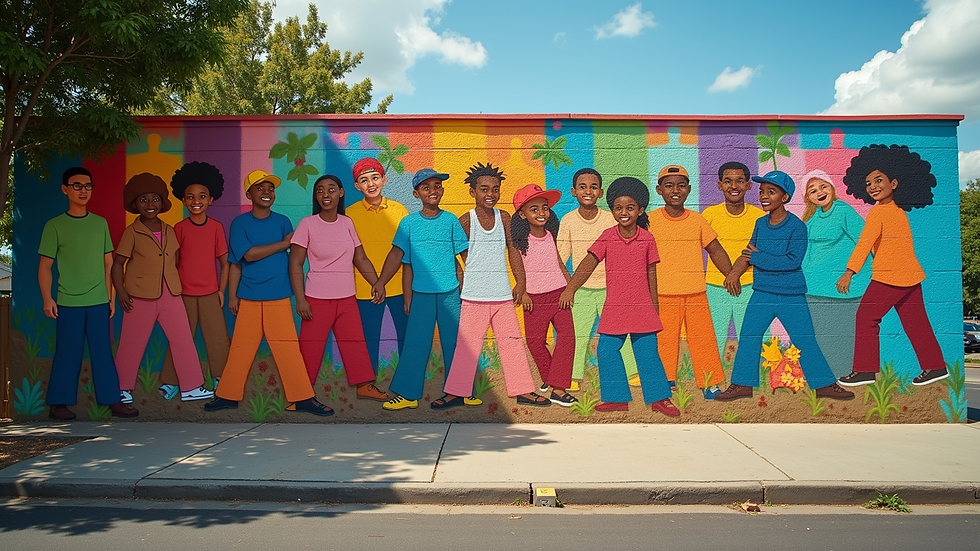
Collaborative art projects encourage participation and creativity. These initiatives often involve community members working together to create a collective piece of art. For example, a mural project that invites local residents to contribute their ideas and designs can strengthen community bonds. Participants not only connect through the creative process but also develop a sense of ownership over the final artwork.
Art as a Catalyst for Dialogue
Art can serve as a catalyst for important conversations within communities. Exhibitions that address social issues can prompt discussions and reflections among viewers. For instance, an art show focused on environmental concerns may inspire attendees to consider their impact on the planet. This dialogue can lead to collective action and a stronger sense of community responsibility.
The Impact of Art on Mental Health
Engaging with art can have profound effects on mental health and well-being. The therapeutic benefits of art are increasingly recognized in various settings.
Art Therapy
Art therapy is a recognized practice that uses creative expression to improve mental health. Through art, individuals can explore their emotions, process experiences, and develop coping strategies. This therapeutic approach fosters self-discovery and healing, allowing individuals to connect with themselves and others in meaningful ways.
Mindfulness and Art
Mindfulness practices often incorporate art as a means of grounding and centering oneself. Engaging in creative activities can promote relaxation and focus, providing a break from the stresses of daily life. Whether through painting, drawing, or crafting, these activities encourage individuals to be present in the moment, fostering a deeper connection to their thoughts and feelings.
Conclusion: The Ongoing Journey of Connection
Art and experience are intertwined in a dance that fosters connection, understanding, and empathy. By engaging with art on a deeper level, we can create meaningful experiences that resonate with our emotions and experiences. Whether through collaborative projects, storytelling, or the use of technology, the potential for connection through art is limitless.
As we navigate a world that often feels disconnected, let us embrace the power of art to bring us together. Explore local galleries, participate in community art projects, or simply take a moment to appreciate the beauty around you. In doing so, we can cultivate a richer, more connected experience through the transformative power of art.


Comments